How Much Sleep Do Teenagers Need? Ages 13–19 Guide
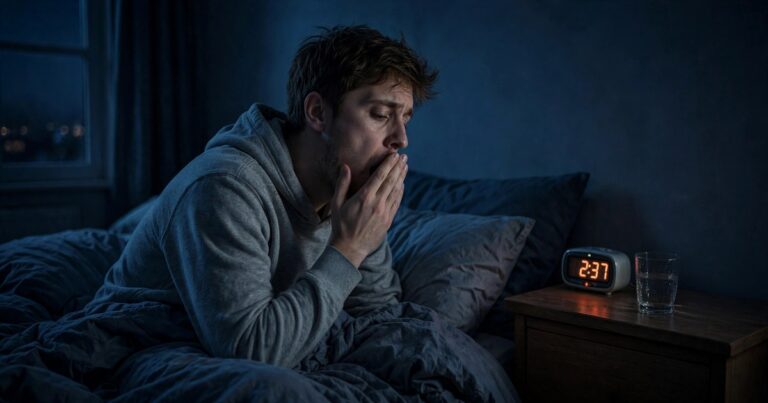
If your teenager is still wide awake at 11 p.m. and half-conscious at the breakfast table, here is the surprise: neither of you is doing anything wrong. Waking a 16-year-old at 6:30 a.m. feels roughly like waking a 40-year-old at 4:30 in the morning. Puberty quietly rewired their internal clock — and the school bell never got the memo.
So how much sleep do teenagers need on that rewired clock, and why does the school-day schedule keep making it impossible? By the end of this guide, you’ll know the exact number health authorities agree on, the biology behind the bedtime battle, and a school-night planner that turns your teen’s wake time into a bedtime that actually works.
How Much Sleep Do Teenagers Need? The Short Answer
Teenagers aged 13–18 need 8 to 10 hours of sleep every night. The American Academy of Sleep Medicine and the National Sleep Foundation arrived at that range independently, and the CDC’s youth-health guidance backs the same floor: at least 8 hours on a school night.
| Age group | Recommended sleep per night | Source |
|---|---|---|
| School-age (6–12) | 9–12 hours | AASM |
| Teenagers (13–18) | 8–10 hours | AASM / NSF |
| Adults (18+) | 7 or more hours | CDC |
Where a teen lands in that range depends partly on age. Younger teens still deep in growth-spurt territory usually do better at the top of it — 9 to 10 hours — while older teens nearing 18 can often function well on 8. But regularly dropping below 8 hours isn’t “getting by on less”: the National Sleep Foundation notes that under 7 hours may be actively harmful for ages 14–17.
The gap between the guideline and reality is staggering. The CDC’s Youth Risk Behavior Survey found that in 2023, only 23% of U.S. high school students got 8 or more hours on an average school night — a figure that has barely moved in a decade. About 7 in 10 high schoolers fall short on school nights, and the average American teen now logs roughly six to seven hours. This isn’t a discipline problem. It’s a math problem, and the next section shows you exactly where the numbers stop adding up.
The bottom line: the target is 8–10 hours, the reality is 6–7, and that 2-hour gap is measurable in grades, mood, and crash statistics.
Why Teenagers Need More Sleep Than Adults
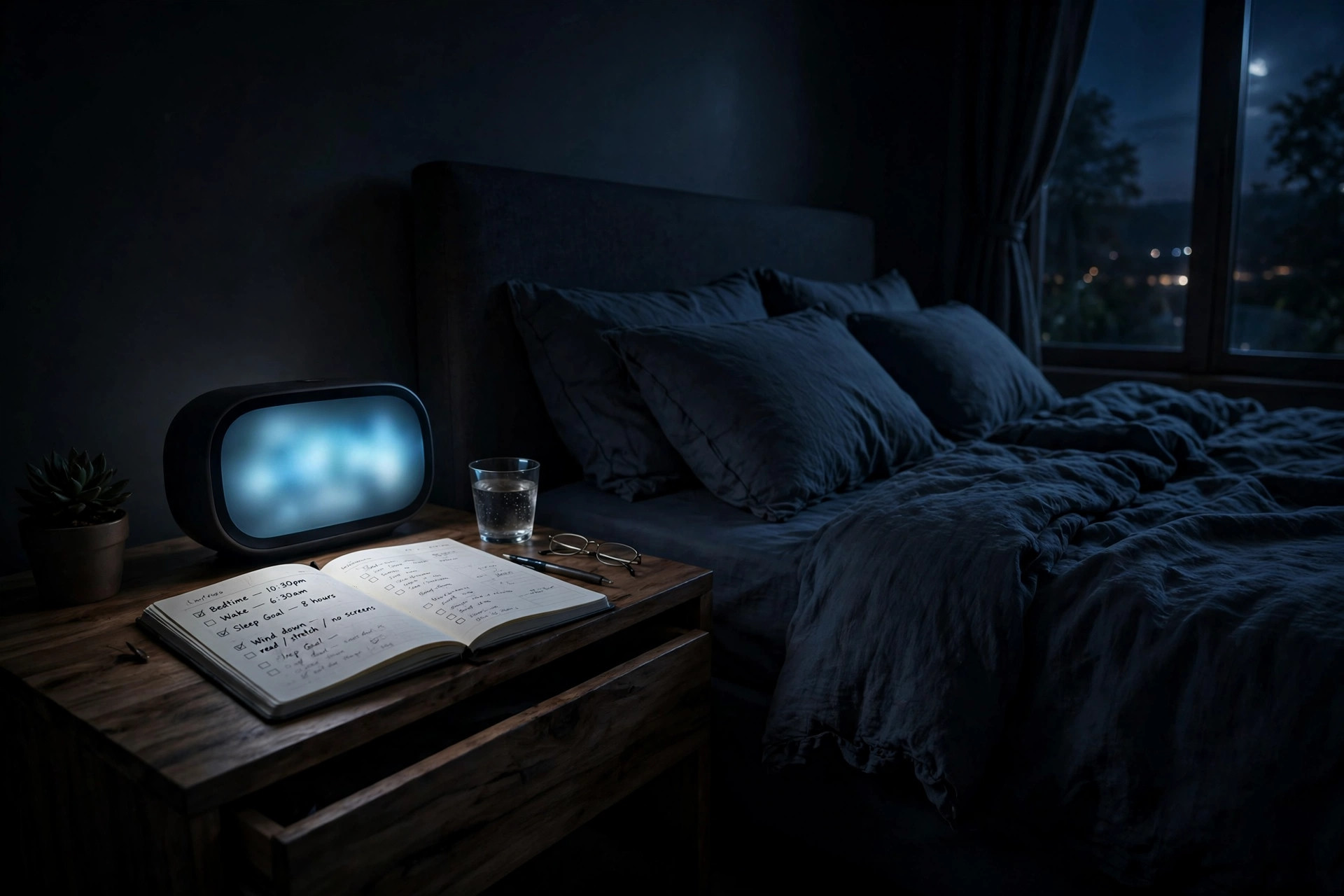
Adults are told 7 hours is enough. Teens need a full extra 1–3 hours — and the reason is that adolescence is the brain’s second great construction project. As Johns Hopkins pediatrician Michael Crocetti explains, teenagers are going through a second developmental stage of cognitive maturation, and additional sleep supports that developing brain alongside physical growth spurts.
Here’s what that extra sleep is doing:
- Growth hormone pulses: The largest releases of growth hormone happen during deep (N3) sleep — the same stage that builds muscle and bone. Shorten the night and you shorten the body’s main construction window.
- Memory consolidation: Sleep, especially REM-rich late-night sleep, is when the day’s learning gets filed into long-term memory. Cut the last 90 minutes of the night and you cut the studying payoff with it.
- Synaptic pruning: The adolescent brain is actively rewiring — strengthening useful neural connections and trimming the rest. Much of that work happens overnight.
- Emotional regulation: The prefrontal cortex, which manages impulse control and judgment, is still under construction while the emotional centers run hot. Sleep deprivation tilts that balance further.
This is also why well-rested teens are measurably protected against outcomes that worry every parent: Crocetti notes that adequate sleep helps protect teens from serious consequences like depression and drug use. Sleep isn’t downtime for the teen brain — it’s the shift where the real building happens.
Why Your Teen Physically Can’t Fall Asleep Before 11 p.m.
At puberty, the brain’s circadian timing system shifts. Melatonin — the hormone that signals bedtime to the body — starts being released roughly 1 to 2 hours later in the evening than it was in childhood. At the same time, the buildup of sleep pressure (the adenosine-driven drowsiness that accumulates while you’re awake) runs slower. The result: most teens genuinely aren’t sleepy enough for bed before about 11 p.m.
Sleep researcher Mary Carskadon, who has studied adolescent sleep for decades, calls this the “perfect storm”: a delayed circadian clock colliding with early school start times, while teens are old enough to set their own bedtimes and surrounded by alerting screens. Telling a teenager to “just go to bed earlier” is like telling an adult to fall asleep at 7 p.m. — the biology says no.
There’s a useful rule of thumb here. Because melatonin gates sleep onset, an 11 p.m. “sleep gate” is normal for teens — not a sign of laziness, defiance, or bad habits. The bedtime battle isn’t a character flaw. It’s chemistry. Which means the fix has to come from the schedule side, not just the willpower side.
The School Start-Time Problem
Do the math and the crisis becomes obvious. The average class start time for U.S. middle and high schools is 8 a.m. — and many schools start at 7:30 or earlier. Factor in the commute, and a typical teen is up by 6–6:30 a.m.
Now work backwards: up at 6:30 a.m., needing 9 hours, means asleep by 9:30 p.m. But melatonin says the teen brain isn’t sleepy until 11 p.m. The schedule demands the impossible — and then homework, sports, jobs, and seven hours a week of homework pile on top.
Health authorities have been saying this for years. The American Academy of Pediatrics recommends that middle and high schools start no earlier than 8:30 a.m., aligning school schedules with the biological sleep rhythms of adolescents. In 2019, California became the first state to mandate it by law, with the rules taking effect in July 2022.
The evidence for later starts is one of the most consistent findings in sleep science:
- An AAP-published meta-analysis found later start times were associated with longer sleep duration, better overall developmental outcomes, and less negative mood — with new start times between 8:30 and 8:59 outperforming 8:00–8:29.
- A combined analysis of 38 studies found that delaying start times helped young people get significantly more sleep each night, improved attendance and grades, and reduced car accidents.
- Schools with later start times saw students less likely to experience depression, consuming less caffeine, more likely to arrive on time, and less likely to fall asleep in class.
Until schedules change everywhere, the practical question is what families can control — which is exactly what the planner and playbooks below are for.
What Teen Sleep Deprivation Actually Costs
This is where the abstract “get more sleep” advice turns concrete. Chronic short sleep in teens is linked to a specific, documented set of consequences:
Grades and learning
Memory and attention are among the first cognitive functions to degrade with sleep loss. Homework takes longer, reaction time slows, and judgment gets worse — the exact skills school tests. Sleep patterns established in adolescence also tend to persist into adulthood, so these habits compound.
Mood and mental health
Both sleep quantity and bedtime affect teen emotions. Sleep-deprived adolescents are more prone to anxiety and depression, irritability climbs, and self-esteem suffers. Poor sleep is also linked to more impulsive, risk-taking behavior — including drinking and driving, texting while driving, and skipping seatbelts.
Safety on the road
Traffic accidents are the number one cause of death for adolescents aged 15 to 18, and sleep loss puts inexperienced teen drivers at high risk of drowsy driving — especially on long commutes. This is the consequence that turns a health issue into a safety one.
Physical health and sports
Shorter sleep puts adolescents at higher risk of weight gain, respiratory infections like influenza, and diabetes. For athletes, reaction time and injury risk suffer — and the deep-sleep growth-hormone window that drives muscle recovery shrinks with every cut hour.
Signs your teen is running on empty: trouble getting out of bed in the morning, dozing off during the day or in class, falling grades, mood changes or irritability, impulsive behavior, and “catch-up” sleeping of 10–12 hours on weekends. If several of those sound familiar, the schedule — not the teen — is the first suspect.
School-Night Bedtime Planner: Work Backwards From Wake Time
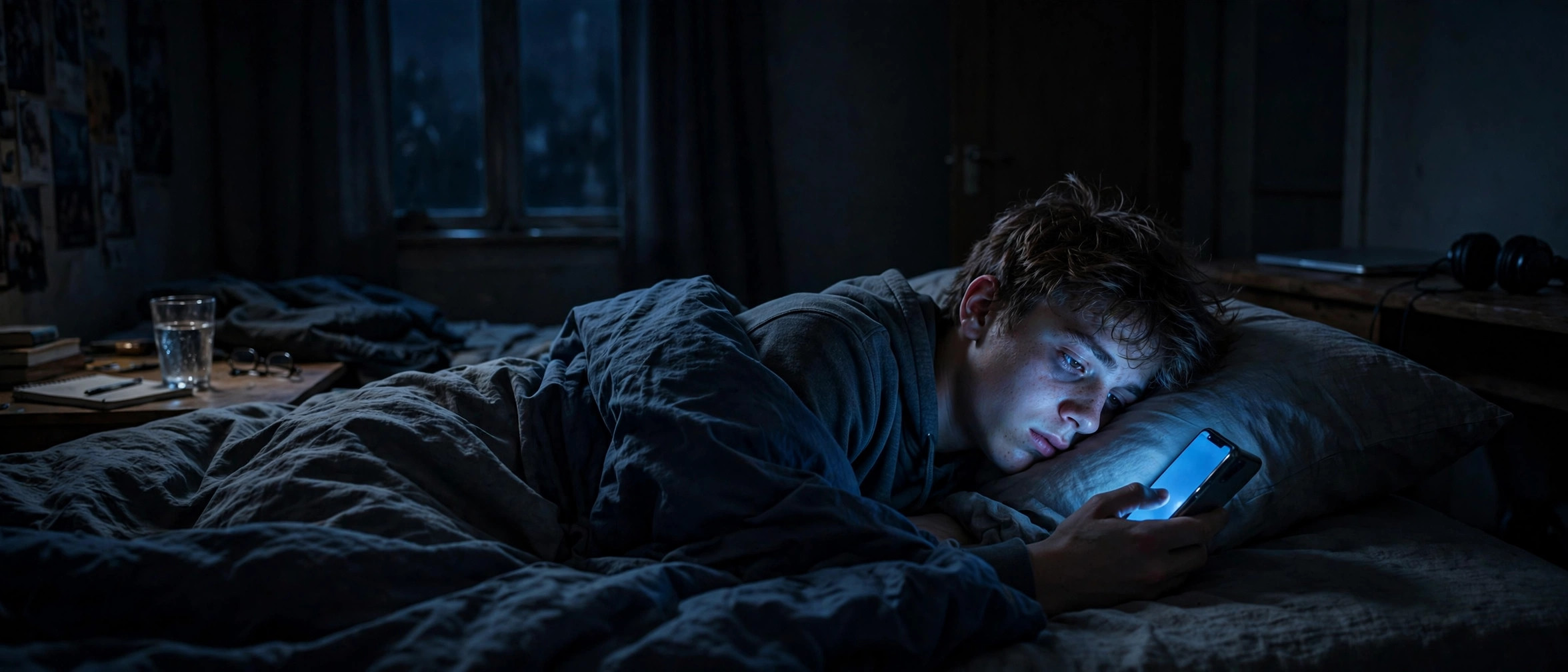
Here is the utility every competitor buries in walls of text. Take your teen’s school-day wake time, count back 8 to 9 hours, and subtract 15 minutes for falling asleep. These are lights-out times — start winding down about 30 minutes earlier:
| School-day wake time | Lights out for 9 hours | Lights out for 8 hours |
|---|---|---|
| 5:30 a.m. | 8:15 p.m. | 9:15 p.m. |
| 6:00 a.m. | 8:45 p.m. | 9:45 p.m. |
| 6:30 a.m. | 9:15 p.m. | 10:15 p.m. |
| 7:00 a.m. | 9:45 p.m. | 10:45 p.m. |
| 7:30 a.m. | 10:15 p.m. | 11:15 p.m. |
A note on sleep-cycle math: waking between cycles means far less morning grogginess. Five full 90-minute cycles is 7.5 hours; six cycles is 9 hours. So if your teen’s schedule only allows the 8-hour column, aim for the bedtime that lands closest to a full-cycle boundary — and for a personalized calculation, plug any wake time into our sleep time calculator, which does the 90-minute cycle math automatically.
Be honest with the table: if the 9-hour bedtime lands at 8:45 p.m. and your teen isn’t sleepy until 11, biology wins that round. In that case, fight for sleep on the wake side where you can — later school start times, trimmed morning routines, weekend guardrails — rather than staging a nightly battle against melatonin.
The bottom line: start from the wake time, not the bedtime. The schedule is fixed; the bedtime is what you solve for.
The Weekend Trap: Why Sleeping In Doesn’t Fix It
Your teen sleeps 6.5 hours all week and 12 on Saturday. Problem solved? Not even close. Weekend mega-sleep is sleep debt wearing a disguise: research shows only partial payback is possible, and a 3–4 hour weekend shift is essentially social jet lag — your teen is living in a different time zone on Monday morning, and it delays that night’s melatonin release even further.
The rule that works: cap weekend sleep-in at about 1–2 hours later than school-day wake time. If the alarm says 6:30 a.m. on weekdays, 7:30–8:30 a.m. on Saturday is the ceiling. For genuinely exhausted teens, a 20-minute early-afternoon nap beats a 4-hour Saturday lie-in — it restores alertness without pushing bedtime later. (See our full nap-length guide for the 20 vs 90 minute rules.)
The Teen Playbook: 7 Habits That Actually Move the Needle
If you’re the teenager reading this: none of this requires becoming a different person. It requires moving a few levers.
- Charge the phone outside the bedroom. Around 89% of teens have their own smartphone, and teens average nearly eight hours of screen time a day. The anticipatory ding of texts makes winding down harder, and middle-of-the-night buzzes fragment sleep. An old-fashioned alarm clock is the cheapest sleep upgrade in existence.
- Screens off 60–90 minutes before bed. It’s not just the blue light — it’s the content. Scrolling, gaming, and group chats keep the brain alerted long after the screen goes dark.
- Set a caffeine curfew. Energy drinks and late coffee hit teens hard: no caffeine after early afternoon if sleep is a struggle. (Our caffeine and sleep guide shows how to compute your personal cutoff from your bedtime.)
- Anchor your wake time. Same wake time within an hour, seven days a week. Consistency is the single most powerful signal to your circadian clock — more powerful than any supplement.
- Get morning light. Bright light within an hour of waking tells your brain the day has started and starts the melatonin timer for that night. A walk to the bus stop counts.
- Front-load homework. High schoolers average about seven hours of homework a week. Finishing earlier in the evening protects the wind-down window — and tired brains take longer to finish anyway.
- Build a 20-minute wind-down. Cool, dark, quiet room; same routine nightly — shower, reading, stretching. Boring is the point: routine is what tells the brain it’s safe to power down.
The bottom line: you can’t willpower your way past melatonin timing, but you can stop actively fighting it — and the phone is the biggest fight of all.
The Parent Playbook: What Works When Willpower Won’t
If you’re the parent: your teen’s habits matter less than the environment you set. The CDC’s youth-health guidance is blunt about what works:
- Set a bedtime — it actually works. Research shows adolescents whose parents set bedtimes get more sleep than those whose parents don’t. This is the single most underused lever in the house.
- Make it a device curfew, not a lecture. Require all devices put away at least an hour before bed, and store phones outside the bedroom overnight. Screens stored in bedrooms are associated with shorter sleep, later bedtimes, and poorer sleep quality.
- Model the behavior. Teens notice when the “no phones in bed” rule doesn’t apply to the adults. Keep the same wake time yourself, including weekends.
- Involve them in the plan. Ask your teen what would help them feel more rested and agree on a target together. Teens who co-own the plan follow it longer.
- Advocate upstream. If your district starts at 7:30, bring the AAP’s 8:30 recommendation and the California evidence to the school board. This is a policy problem as much as a household one.
When It’s More Than Teen Habits: Red Flags
Most teen sleep trouble is schedule-shaped. But some signs deserve a pediatrician’s attention rather than a stricter bedtime:
- Loud, habitual snoring or gasping during sleep (possible sleep apnea)
- An irresistible urge to move the legs at night (possible restless legs syndrome)
- Insomnia — trouble falling or staying asleep — three or more nights a week for months (up to 30% of children experience insomnia at some point)
- Persistent low mood, anxiety, or hopelessness alongside the sleep problems
- Falling asleep in dangerous situations, like while driving
This guide is educational, not medical advice. If sleep problems persist despite consistent habits, talk to your pediatrician or a sleep specialist — especially when mood symptoms are involved.
How Much Sleep Do Teenagers Need? FAQs
How much sleep does a 14-year-old need?
A 14-year-old needs 8–10 hours per night, and should aim for the top of that range — around 9 to 10 hours. At 14, most teens are still in active growth and brain development, and younger adolescents consistently do better with more sleep than older ones.
Is 7 hours of sleep enough for a teenager?
No. Seven hours is below the recommended floor of 8 hours for ages 13–18. The National Sleep Foundation notes that less than 7 hours may be actively harmful for teens aged 14–17. A teen running on 7 hours will accumulate a sleep debt that shows up in grades, mood, and reaction time.
Why do teenagers stay up so late?
Puberty shifts the circadian clock: melatonin is released 1–2 hours later in the evening, and sleep pressure builds more slowly. Most teens genuinely aren’t sleepy before about 11 p.m. — it’s biology, not attitude. Early school start times then cut the night short on the morning side.
Can teenagers catch up on sleep on weekends?
Only partially. Sleeping in 3–4 extra hours on weekends creates social jet lag that delays the next night’s melatonin and makes Monday harder. Cap weekend sleep-in at 1–2 hours past the school-day wake time, and use short early-afternoon naps for the rest.
What time should a teenager go to bed?
Count back 8–9 hours from the school-day wake time, minus 15 minutes to fall asleep. For a 6:30 a.m. wake-up, that’s lights out between 9:15 and 10:15 p.m. — and for an exact bedtime tuned to 90-minute sleep cycles, use the planner table in this article or our sleep calculator.
Is it bad if a teenager sleeps more than 10 hours?
Occasionally sleeping 10–11 hours after a sleep-deprived week is normal recovery. But consistently needing more than 11 hours, or still feeling exhausted despite long nights, is worth discussing with a doctor — it can signal a sleep disorder or an underlying health issue.
Conclusion: The Number Is 8–10 — The Strategy Is Everything Around It
How much sleep do teenagers need? Eight to ten hours, every night, on school nights especially. The science is settled; the schedule is the problem. Your teen’s brain delays melatonin until around 11 p.m., the school bell demands a 6:30 a.m. wake-up, and the math simply doesn’t close without deliberate strategy.
So work backwards from the wake time with the planner above, cap the weekend drift, move the phone out of the bedroom, and set a bedtime — because the research says parent-set bedtimes genuinely work. Then lock in the number: plug your teen’s wake time into our sleep time calculator and let 90-minute cycle math find the bedtime that lands between cycles, so mornings start refreshed instead of wrecked.
This article is for educational purposes and isn’t medical advice. If sleep problems persist despite good habits, talk to a healthcare professional or sleep specialist.
Sources
- CDC Youth Risk Behavior Surveillance System — Sleep and adolescent health (2023 data: 23% of high school students get 8+ hours). CDC
- How Much Sleep Does a Teenager Need? Medically reviewed by Nilong Vyas, MD. Sleep Foundation
- How Many Hours Teens Should Sleep (8–10 hours; teen circadian shift), Lauren Goldman, MD. Cleveland Clinic
- Later School Start Time: The Impact of Sleep on Academic Performance and Health in the Adolescent Population. Int. J. Environ. Res. Public Health (AAP 8:30 a.m. recommendation). PubMed Central